Seeking medical treatment abroad is increasingly common, especially when specialized care, advanced technology, or shorter waiting times are required. However, traveling for medical purposes involves more than simply booking a flight. Proper visa selection, documentation, and coordination are essential for a smooth journey.
This article explains what patients and families should know before beginning the medical travel process.
What Is a Medical Visa?
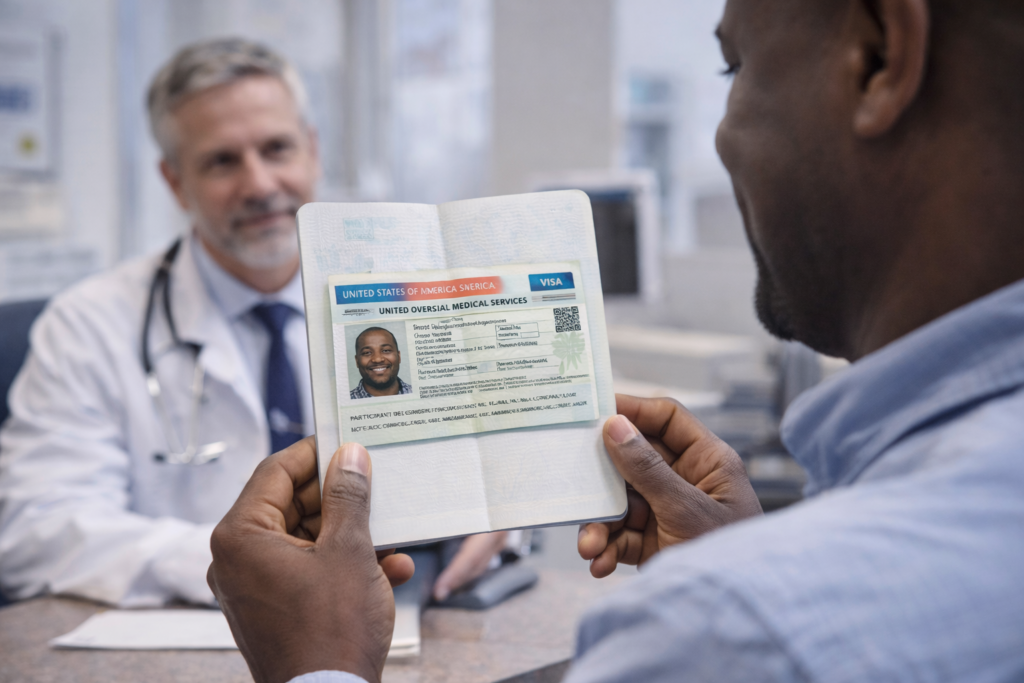
A medical visa is a special travel authorization issued to individuals seeking treatment in a foreign country. It typically allows:
- Entry for medical consultation or surgery
- Short-term stay for treatment and recovery
- Possible accompaniment by a medical attendant
Each destination country has specific requirements, timelines, and supporting document rules.
Why Patients Travel Abroad for Treatment
Medical travel is often driven by several factors:
Access to Specialized Care
Some treatments or procedures may not be available locally.
Advanced Medical Technology
Certain countries offer cutting-edge medical equipment and expertise.
Reduced Waiting Times
In urgent cases, overseas treatment may be faster.
Cost Considerations
In some situations, treatment abroad may be more cost-effective.
Documents Required for a Medical Visa
Medical visa applications typically require more detailed documentation than standard tourist visas. Common requirements include:
- Valid passport
- Completed visa application form
- Medical report from home country doctor
- Invitation letter from receiving hospital
- Treatment cost estimate
- Proof of funds for treatment and stay
- Travel itinerary
- Accommodation details
Missing medical documentation is a frequent cause of delays.
Planning Beyond the Visa
Successful medical travel involves careful coordination beyond the visa itself. Patients should plan for:
- Hospital selection
- Appointment scheduling
- Accommodation near the hospital
- Airport pickup arrangements
- Post-treatment recovery time
- Follow-up consultations
Proper planning reduces stress during an already sensitive time.
Risks to Avoid
Patients should be cautious of:
- Applying under the wrong visa category
- Incomplete medical reports
- Unverified hospital invitations
- Underestimating total travel costs
- Last-minute applications
Early preparation is strongly recommended.
Final Thoughts
Medical travel can open doors to life-changing treatment opportunities, but success depends heavily on proper documentation and coordination. Taking time to prepare thoroughly can make the entire journey smoother and safer.
For patients or families who prefer guided support when arranging medical visas, hospital coordination, and travel planning, Global Visa Application Services provides professional assistance designed to simplify the entire process.